

Veterinarians, Biomedical Scientists, and Physicians: Shared Leadership in One Health
A patient with a urinary tract infection no longer responds to first-line antibiotics. Similarly, in a nearby poultry farm, treatment failures are rising despite routine antimicrobial use. Subsequently, resistant bacteria are detected in surrounding water sources. This is a real-world catastrophic situation. At first glance, these may appear to be isolated incidents-clinical, agricultural, environmental. Yet they are deeply interconnected signals of a single, escalating global crisis: antimicrobial resistance (AMR). Taken together, this pattern points to a critical failure of coordination across sectors. The work we do at the Coalition for Global Health Innovation is to break down precisely these silos between human, animal, and environmental health systems.
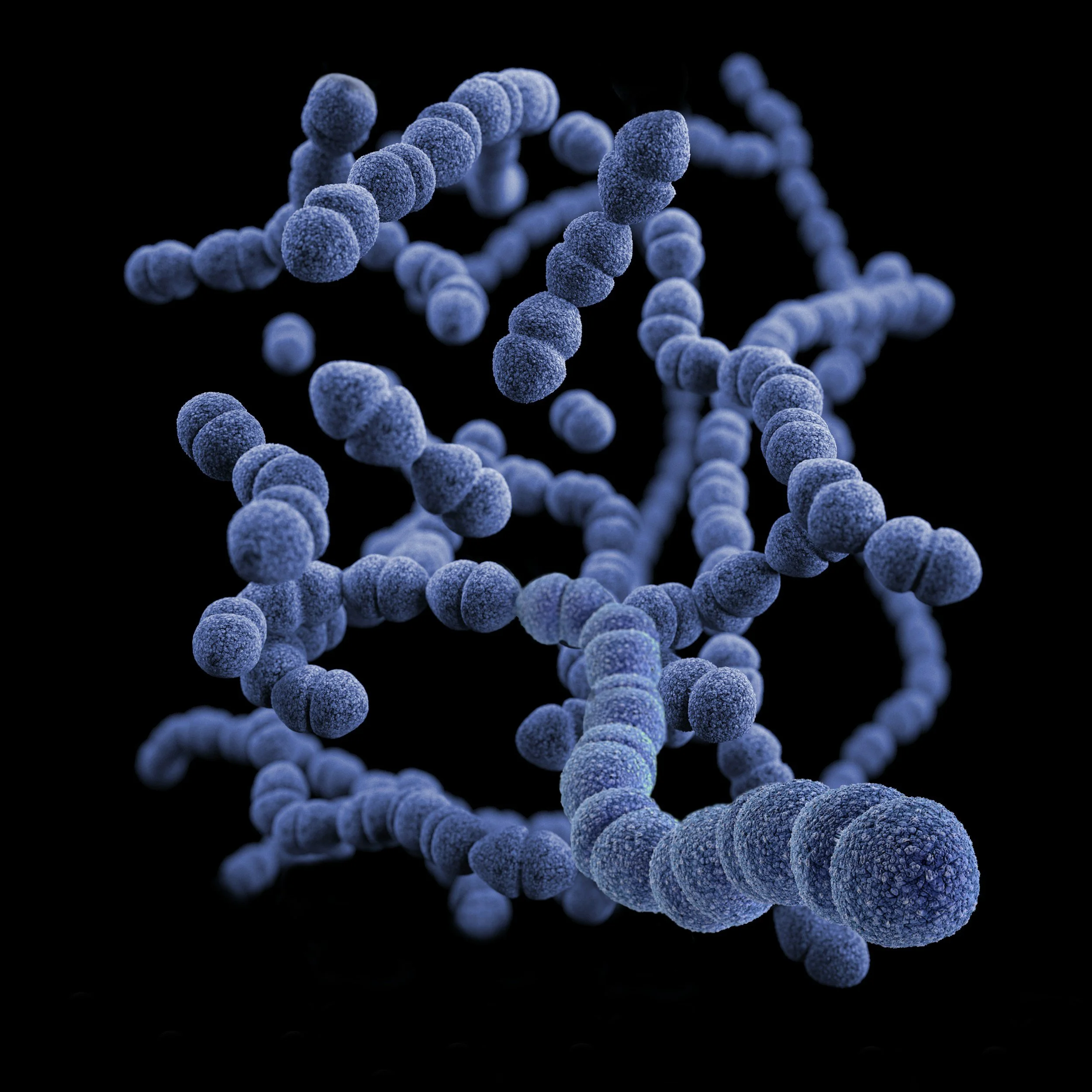
Antimicrobial resistance occurs when microorganisms evolve mechanisms that enable them to survive exposure to drugs designed to eliminate them, allowing resistant strains to persist, multiply, and spread across species and ecosystems (McEwen & Collignon, 2018). AMR exemplifies the need for a common, integrated health system that encompasses all three spheres of human, animal, and environmental health. Veterinarians, biomedical scientists, and physicians stand at different yet interconnected points in the integrated health system for disease detection, antimicrobial stewardship, surveillance, research, and policy implementation. In this article, we explore how these three professions collectively shape and strengthen the One Health movement.
The World Health Organisation’s Definition of One Health
“One Health is an integrated, unifying approach that aims to sustainably balance and optimise the health of people, animals and ecosystems.”
It is a holistic, multidisciplinary, and collaborative framework grounded in key principles, including equity across sectors and disciplines, socioecological balance among humans, animals, and the environment, and recognition of biodiversity as fundamental to health systems (Adisasmito et al., 2022).
Our AimIn this short article, we aim to include perspectives from three professions: veterinarians, biomedical and medical and relate to how these professions collectively shape the One Health topic and are essential for health system resilience and sustainability.
Inspired by David Quammen’s Spillover, we believe this single sentence captures the importance of veterinarians in One Health:
Veterinarians are often the first line of defence against emerging infectious diseases at the human–animal interface.
Veterinarians play a central role in understanding and managing infectious diseases. Since more than 75% of newly emerging infectious diseases are zoonotic (Jones et al., 2008; cited by Gavi), the likelihood is high that the first signals of a potential outbreak appear in animal populations. In many instances, veterinarians working with livestock, companion animals, and wildlife are among the earliest professionals to observe unusual clinical signs, unexplained mortality events, or shifting disease patterns. In scenarios involving a novel pathogen with zoonotic potential or “Disease X”, veterinarians are not only the first to detect these warning signs but may also be among the first occupational groups exposed to infection due to their close and frequent contact with animals. Historical evidence from outbreaks such as Nipah virus, Ebola, and Hendra virus underscores this heightened frontline vulnerability (Quammen, 2012; Mendez et al., 2012; Halpin & Rota, 2015).
Veterinarians play a critical role in understanding and addressing the intersection of animal, human, and environmental health. From antimicrobial resistance and food safety and security to zoonotic disease research and ecological and environmental research, veterinarians are well-equipped for infection control and surveillance from a One Health perspective. (Gibbs & Gibbs, 2012). As stated earlier, AMR stands at the heart of the One Health framework; the example of Antimicrobial Resistance (AMR) can help further clarify how different fields of health professions are intertwined with the central theme of One Health.
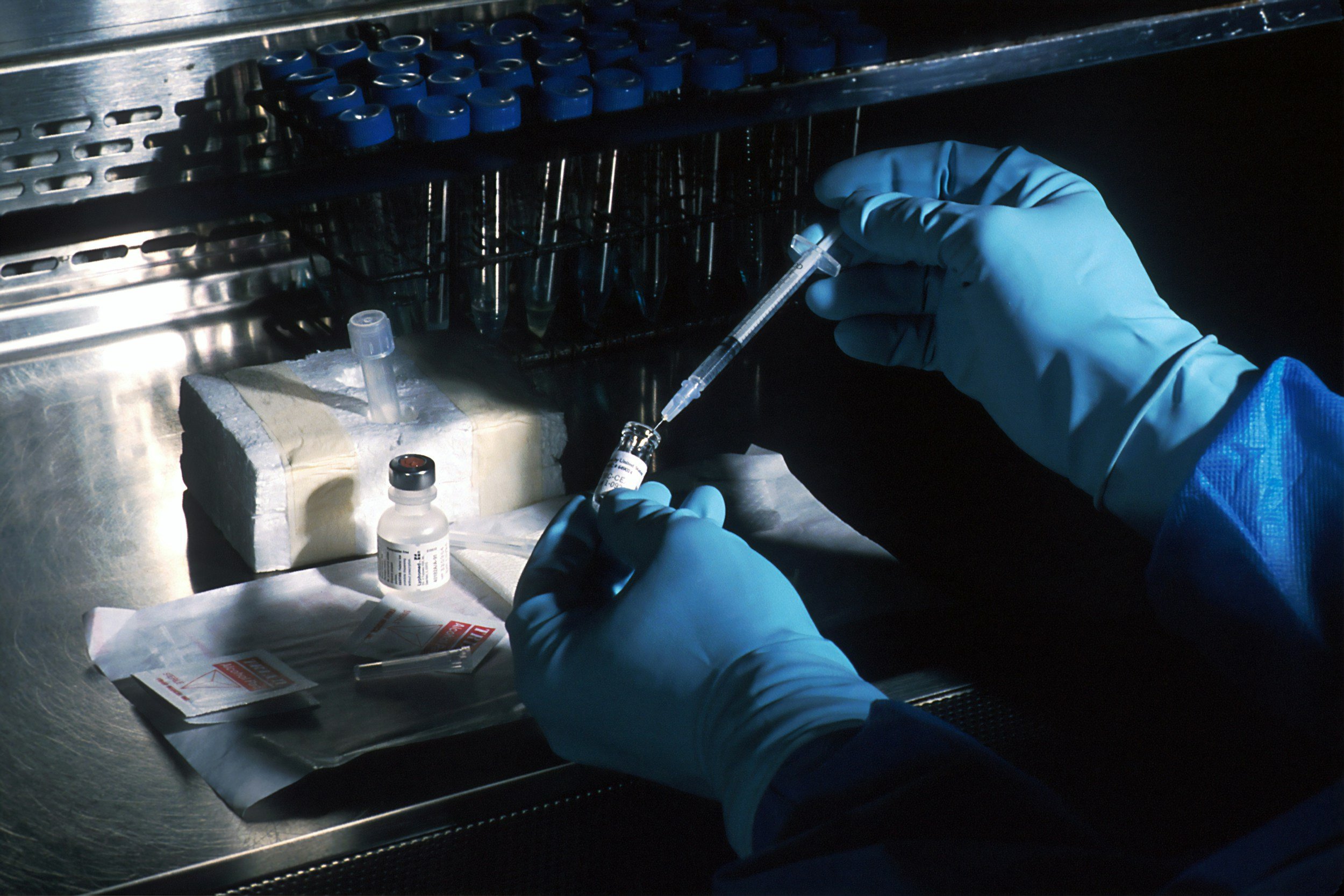
Biomedical scientists are the diagnostic and analytical backbone of the One Health movement, occupying a critical space between clinical observation and public health action. Through laboratory surveillance, pathogen characterisation, and the development of rapid diagnostic assays, they generate the high-quality data that clinicians, veterinarians, and policymakers need to respond effectively to emerging threats. Nowhere is this more visible than in genomic surveillance for AMR: whole-genome sequencing (WGS) and metagenomics now allow biomedical scientists to simultaneously track resistance genes across human, animal, and environmental reservoirs, revealing transmission pathways that would be impossible to detect in any single sector working in isolation (Djordjevic et al., 2024; Muloi et al., 2023). A concrete illustration of this integrative function is the SIEGA framework in Andalusia, Spain, where integrated genomic sequencing of pathogens derived from clinical, veterinary, and environmental samples is directly linked to real-time clinical decision-making, demonstrating how bench science can and should inform bedside care (Casimiro-Soriguer et al., 2024). Critically, this bridging role is not passive: by standardising methodologies across sectors and contributing to shared global databases, biomedical scientists help close the fragmentation gap that currently limits coordinated AMR surveillance at the One Health interface (Muloi et al., 2023).
These findings reinforce the urgent need for integrated surveillance systems, coordinated antimicrobial stewardship, and food security efforts that transcend traditional professional and sectoral boundaries. Without a comprehensive One Health approach-encompassing cross-sector collaboration, policy alignment, robust surveillance, and public education-AMR will continue to compromise healthcare systems, increase mortality, impose substantial economic burdens, and erode decades of progress in infection control (WHO, 2024; McEwen & Collignon, 2018). Thus, AMR is fundamentally transforming how medicine is practised and how health systems function, affecting both animal and human medicine. Strengthening laboratory surveillance systems, implementing molecular tracking of resistance determinants, and developing robust diagnostic assays are essential not only to save lives but also to curb the progression of what is increasingly recognised as the “silent pandemic” of AMR.
If the past century of medicine was defined by specialisation, the next may be defined by integration. Many of the most pressing health challenges today are not failures of clinical knowledge but failures of coordination. Medical contributions to One Health span multiple domains, including clinical practice, surveillance systems, education, research, and policy implementation. Integrated surveillance responses constitute a primary contribution, with examples including the Canadian Integrated Program for Antimicrobial Resistance Surveillance (CIPARS), which reduces time to detection of new antimicrobial resistance, and the Human Animal Infection and Risk Surveillance Groups (HAIRS) in the UK, which facilitates interdisciplinary relationships and horizon scanning for zoonotic infections (Zinsstag et al., 2023).
Medical education has been slower than veterinary training to integrate One Health principles, leaving many clinicians with limited environmental health literacy and cross-sector awareness (Rabinowitz et al., 2017). But the problem goes beyond gaps in education. Poor coordination between countries, disconnected national systems, and separate monitoring structures make real collaboration between sectors difficult in practice. Even when the need for collaboration is widely acknowledged, deeply entrenched specialisation and packed training programs make integration difficult. One Health is recognised as essential, yet structurally and culturally, medicine is still catching up (Machalaba et al., 2021).
Evidence of outcomes from medical engagement in One Health demonstrates both health improvements and system efficiencies. Studies across diverse settings provide concrete evidence that One Health approaches are central to the sustainability of the medical field through four interconnected mechanisms:
surveillance and early detection of zoonotic diseases,
tackling antimicrobial resistance (AMR),
environmental health management,
and food safety and security.
Hong Kong’s coordinated avian influenza response eliminated 1.5 million poultry in five days, resulting in no major human H5N1 outbreaks in Hong Kong for over a decade following the response, and only rare sporadic cases since 1997 (Sims & Peiris, 2012), while Kerala, India, demonstrated sustained outbreak capacity when its 2019 Nipah response achieved zero spread and mortality compared to the 2018 outbreak (Singhai et al., 2021). A joint working committee incorporating diverse professionals to tackle the health issue from a One Health perspective, and cross-sector training and proper Integrated data platforms are a need of the time. Thus, in that sense, One Health is not an adjunct to medicine; it may become central to its sustainability.
The examples explored in this article illustrate a central reality of modern health systems: the boundaries between human, animal, and environmental health are increasingly complex.
Challenges such as antimicrobial resistance, emerging zoonotic diseases, and pressures on global food systems cannot be effectively addressed by any single discipline alone. As climate change and ecological disruption reshape disease patterns, coordinated surveillance, shared data systems, and cross-sector collaboration will become increasingly essential. One Health, therefore, represents more than a conceptual framework; it is a practical approach to safeguarding health in an interconnected world. For emerging professionals in veterinary medicine, biomedical sciences, and human medicine, embracing One Health means working beyond traditional boundaries and recognising that protecting human health often begins far beyond the clinic.
At CGHI,we are building cross-sector working groups, shared surveillance frameworks, and joint training modules for veterinarians, biomedical scientists, and physicians. The question is not whether One Health is necessary, but whether our institutions are ready to fund, teach, and implement it. Join us!
This blog was written by Drashti Sharma, Teckla Haule and Pratik Kiju.
Drashti is a biomedical researcher focused on diagnostic innovation, exploring how new tools can improve disease detection and health outcomes globally.

Teckla is a biomedical scientist turned clinician with a focus on clinical medicine and global health innovation, bridging laboratory science and frontline care.
Pratik is a One Health scholar and veterinarian working at the animal–human interface, with expertise in zoonotic disease and integrated approaches to global health.


References
Adisasmito, W. B., Behravesh, C. B., Bilivogui, P., Bukachi, S. A., Casas, N., Cediel Becerra, N., Charron, D. F., Chaudhary, A., Ciacci Zanella, J. R., Cunningham, A. A., Dar, O., Debnath, N., Dungu, B., Farag, E., Gao, G. F., Hayman, D. T. S., Khaitsa, M., Koopmans, M. P. G., Machalaba, C., … Zhou, L. (2022). One Health: A new definition for a sustainable and healthy future. PLOS Pathogens, 18(6), e1010537. https://doi.org/10.1371/journal.ppat.1010537
Casimiro-Soriguer, C. S., Pérez-Florido, J., Robles, E. A., Lara, M., Aguado, A., Rodríguez Iglesias, M. A., … Dopazo, J. (2024). The integrated genomic surveillance system of Andalusia (SIEGA) provides a One Health regional resource connected with the clinic. Scientific Reports, 14(1). https://doi.org/10.1038/s41598-024-70107-0
David Quammen. (2012). Spillover: Animal Infections and the Next Human Pandemic. W. W. NORTON & COMPANY.
Djordjevic, S.P., Jarocki, V.M., Seemann, T. et al. Genomic surveillance for antimicrobial resistance — a One Health perspective. Nat Rev Genet 25, 142–157 (2024). https://doi.org/10.1038/s41576-023-00649-y
Gibbs, S. E. J., & Gibbs, E. P. J. (2012). The Historical, Present, and Future Role of Veterinarians in One Health. In J. S. Mackenzie, M. Jeggo, P. Daszak, & J. A. Richt (Eds), One Health: The Human-Animal-Environment Interfaces in Emerging Infectious Diseases (Vol. 365, pp. 31–47). Springer Berlin Heidelberg. https://doi.org/10.1007/82_2012_259
Halpin, K., & Rota, P. (2015). A Review of Hendra Virus and Nipah Virus Infections in Man and Other Animals. In A. Sing (Ed.), Zoonoses—Infections Affecting Humans and Animals (pp. 997–1012). Springer Netherlands. https://doi.org/10.1007/978-94-017-9457-2_40
Jones, K. E., Patel, N. G., Levy, M. A., Storeygard, A., Balk, D., Gittleman, J. L., & Daszak, P. (2008). Global trends in emerging infectious diseases. Nature, 451(7181), 990–993. https://doi.org/10.1038/nature06536.
Machalaba, C., Raufman, J., Anyamba, A., Berrian, A. M., Berthe, F. C. J., Gray, G. C., … Wannous, C. (2021). Applying a One Health Approach in Global Health and Medicine: Enhancing Involvement of Medical Schools and Global Health Centers. Annals of Global Health, 87(1), 30. https://doi.org/10.5334/aogh.2647
McEwen, S. A., & Collignon, P. J. (2018). Antimicrobial Resistance: a One Health Perspective. Microbiology spectrum, 6(2), 10.1128/microbiolspec.arba-0009-2017. https://doi.org/10.1128/microbiolspec.ARBA-0009-2017
Mehand, M. S., Al‑Shorbaji, F., Millett, P., & Murgue, B. (2018). The WHO R&D Blueprint: 2018 review of emerging infectious diseases requiring urgent research and development efforts. Antiviral Research, 159, 63–67. https://doi.org/10.1016/j.antiviral.2018.09.009
Mendez, D. H., Judd, J., & Speare, R. (2012). Unexpected Result of Hendra Virus Outbreaks for Veterinarians, Queensland, Australia. Emerging Infectious Diseases, 18(1), 83–85. https://doi.org/10.3201/eid1801.111006
Muloi, D. M., Jauneikaite, E., Anjum, M. F., Essack, S. Y., Singleton, D. A., Kasudi, M. R., Wade, M. J., Egyir, B., Nunn, J. G., Midega, J. T., Peacock, S. J., Feasey, N. A., Baker, K. S., Zadoks, R. N., & SEDRIC Genomics Surveillance Working Group (2023). Exploiting genomics for antimicrobial resistance surveillance at One Health interfaces. The Lancet. Microbe, 4(12), e1056–e1062. https://doi.org/10.1016/S2666-5247(23)00284-7
Nkollo, M. I., Nkollo-Ngwuede, R. N.-N., Oronsaye-Oseghale, E. I., Ogiemudia, O. M., Emolade, M. O., & Efejene, I. O. (2026). Antimicrobial resistance at the human-animal-environment interface: Implications for global health and food security. Journal of Interventional Epidemiology and Public Health, 9(1)(1). https://doi.org/10.37432/jieph-d-25-00177
Rabinowitz, P. M., Natterson-Horowitz, B. J., Kahn, L. H., Kock, R., & Pappaioanou, M. (2017). Incorporating one health into medical education. BMC Medical Education, 17(1). https://doi.org/10.1186/s12909-017-0883-6
Sims, L. D., & Peiris, M. (2012). One Health: The Hong Kong Experience with Avian Influenza. Current Topics in Microbiology and Immunology, 281–298. https://doi.org/10.1007/82_2012_254
Singhai, M., Jain, R., Jain, S., Bala, M., Singh, S., & Goyal, R. (2021). Nipah Virus Disease: Recent Perspective and One Health Approach. Annals of Global Health, 87(1). https://doi.org/10.5334/aogh.3431
Tsepo Ramatla, Tshepo Malesela Mafokwane, Kgaugelo Edward Lekota, Maropeng Charles Monyama, Khasapane, G., Naledi Serage, … Oriel Thekisoe. (2023). “One Health” perspective on prevalence of co-existing extended-spectrum β-lactamase (ESBL)-producing Escherichia coli and Klebsiella pneumoniae: a comprehensive systematic review and meta-analysis. Annals of Clinical Microbiology and Antimicrobials, 22(1). https://doi.org/10.1186/s12941-023-00638-3
World Health Organization. (n.d.). Global Antimicrobial Resistance and Use Surveillance System (GLASS).https://www.who.int/initiatives/glass
Zinsstag, J., Kaiser-Grolimund, A., Heitz-Tokpa, K., Sreedharan, R., Lubroth, J., Caya, F., … Heymann, D. (2023). Advancing One human–animal–environment Health for global health security: what does the evidence say? The Lancet, 401(10376), 591–604. https://doi.org/10.1016/S0140-6736(22)01595-1