Shared Power, Shared Future: Intergenerational Leadership in Global Health
If young professionals are increasingly invited into global health decision-making, what would it take for their participation to become genuine influence — and how can governance make space for the many forms of knowledge it still overlooks?
Young people are increasingly visible in global health. They sit on panels. They attend international summits. They join advisory groups, participate in consultations, lead organisations, conduct research, develop community-based solutions and contribute to policy discussions.
Yet there is a more difficult question we should be asking:
When people enter the room, do they actually have the power to shape what happens in it?
And this question extends beyond age. It is also about geography, nationality, professional background, socioeconomic context, community experience, discipline and the kinds of knowledge that global health institutions recognise as legitimate.
Global health is not experienced in the same way everywhere. A policymaker in Geneva, a public health professional in Johannesburg, a community health worker in a rural district, a researcher in Delhi, a clinician in São Paulo and a young advocate working with displaced communities may encounter very different health systems, priorities and constraints. Yet some perspectives continue to carry greater institutional weight than others.
The challenge, therefore, is not simply to bring more people into global health spaces.
It is to create decision-making systems in which different forms of expertise, experience and knowledge can meaningfully influence outcomes.
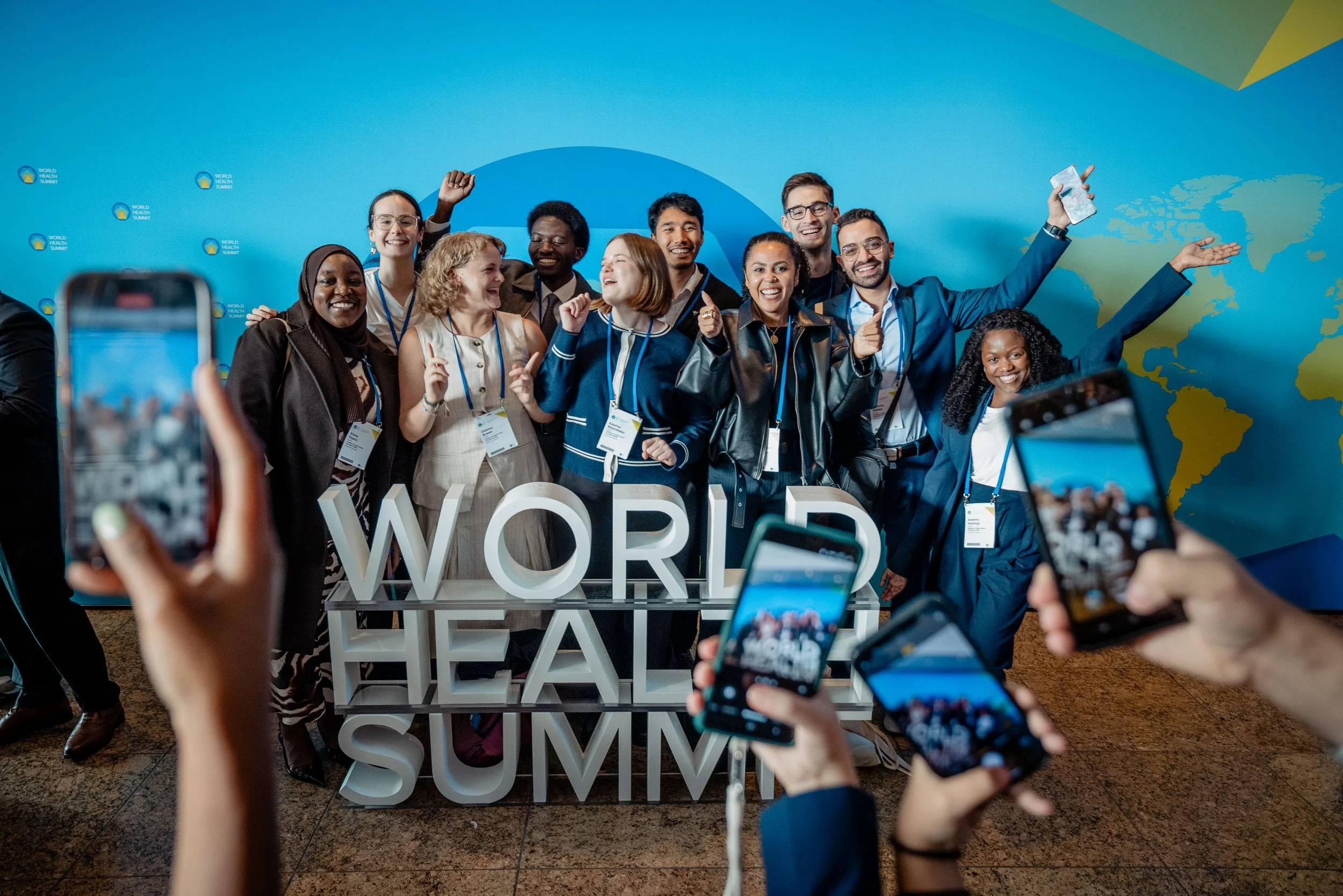
Global health is a question of power
The global health architecture is entering a period of significant change. Financing is under pressure, geopolitical relationships are shifting, multilateral institutions are being challenged, and health systems are being asked to respond to increasingly complex and overlapping crises.
In this environment, resilience cannot simply mean building better institutions. It also requires asking who has a voice in designing those institutions, whose knowledge counts, and who has the authority to influence decisions.
“The global health architecture is fundamentally a debate about power: who holds it, who is losing it, and how power may be redistributed during periods of institutional change.”
— Ilona Kickbusch, Global Health Scholar
That makes representation more than a question of visibility. It is a question of governance.
Who decides:
Who sets the agenda?
Who defines what counts as evidence?
Who determines which problems receive funding and political attention?
Who participates when decisions are made?
Whose experience is considered valuable enough to shape those decisions?
These questions matter because the legitimacy and effectiveness of global health institutions depend not only on technical expertise, but also on whether the people and communities affected by decisions have meaningful opportunities to shape them.
From being invited to having influence
Young professionals are already contributing substantially to global health. They are researchers, physicians, public health practitioners, policy professionals, entrepreneurs, advocates, academics and community leaders. Many have advanced degrees, years of professional experience and expertise in highly specialised areas of global health.
Yet youth engagement is still sometimes framed through an assumption that young people are primarily “future leaders.” There is a problem with this framing.
Young professionals are not only future leaders. They are already part of the global health workforce, research community, policy environment and civil society.
Their age does not determine the value of their expertise. At the same time, being invited into a room does not necessarily mean having influence.
A young professional might be invited to a consultation but have no role in deciding which recommendations are adopted. A youth representative might sit on an advisory board without voting rights. A young person might be given five minutes on a conference panel while the institutional decisions that shape the agenda have already been made.
These forms of participation can be valuable. But they should not automatically be described as power-sharing. We can therefore think about engagement as a spectrum:
Consultation — Participation — Co-creation — Shared decision-making
The question is not simply whether young professionals are present.
The question is: where on this spectrum are they?
Representation is about more than age
A global health system can become more “youth-inclusive” while still excluding other forms of knowledge and experience. A room can contain young and senior professionals but remain geographically concentrated. It can include representatives from multiple countries while overlooking marginalised communities within those countries. It can include academics while excluding practitioners. It can value biomedical expertise while overlooking community knowledge, Indigenous knowledge or lived experience.
This is why meaningful inclusion cannot be reduced to demographic representation. Different dimensions of identity and experience shape how people understand health challenges and possible solutions:
Age, Geography, Nationality, Gender, Socioeconomic circumstances, Race, Disability, Profession, Discipline, Community, Lived experience.
The question is therefore not whether one group should replace another. It is whether global health governance can become better at recognising knowledge that has historically been underrepresented, undervalued or excluded from decision-making. This matters particularly for communities that experience the consequences of global health policies most directly but have the least influence over how those policies are designed.
Inclusion should not mean bringing people into existing structures simply to make those structures look more representative. It should mean creating structures capable of learning from the people they are intended to serve.
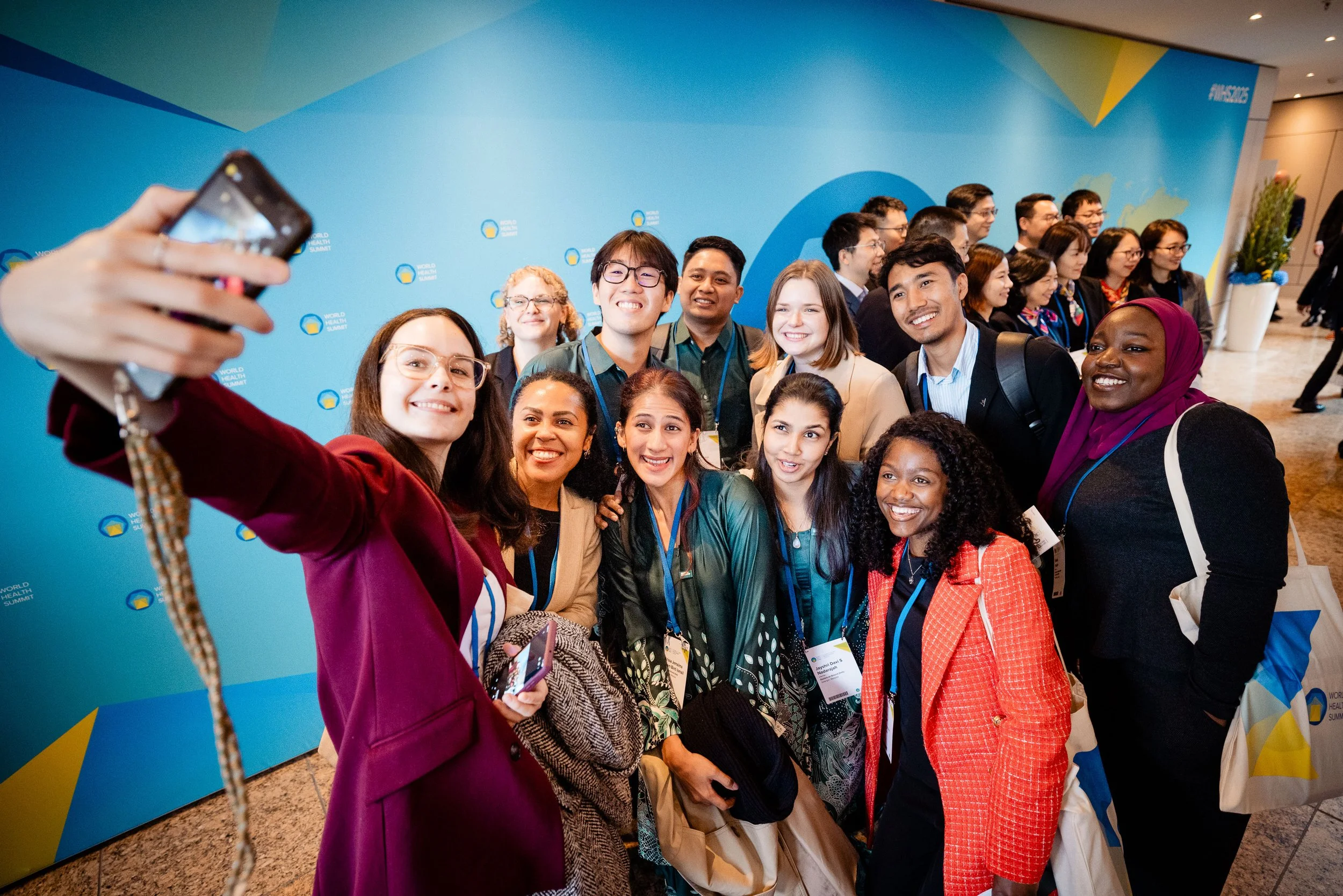
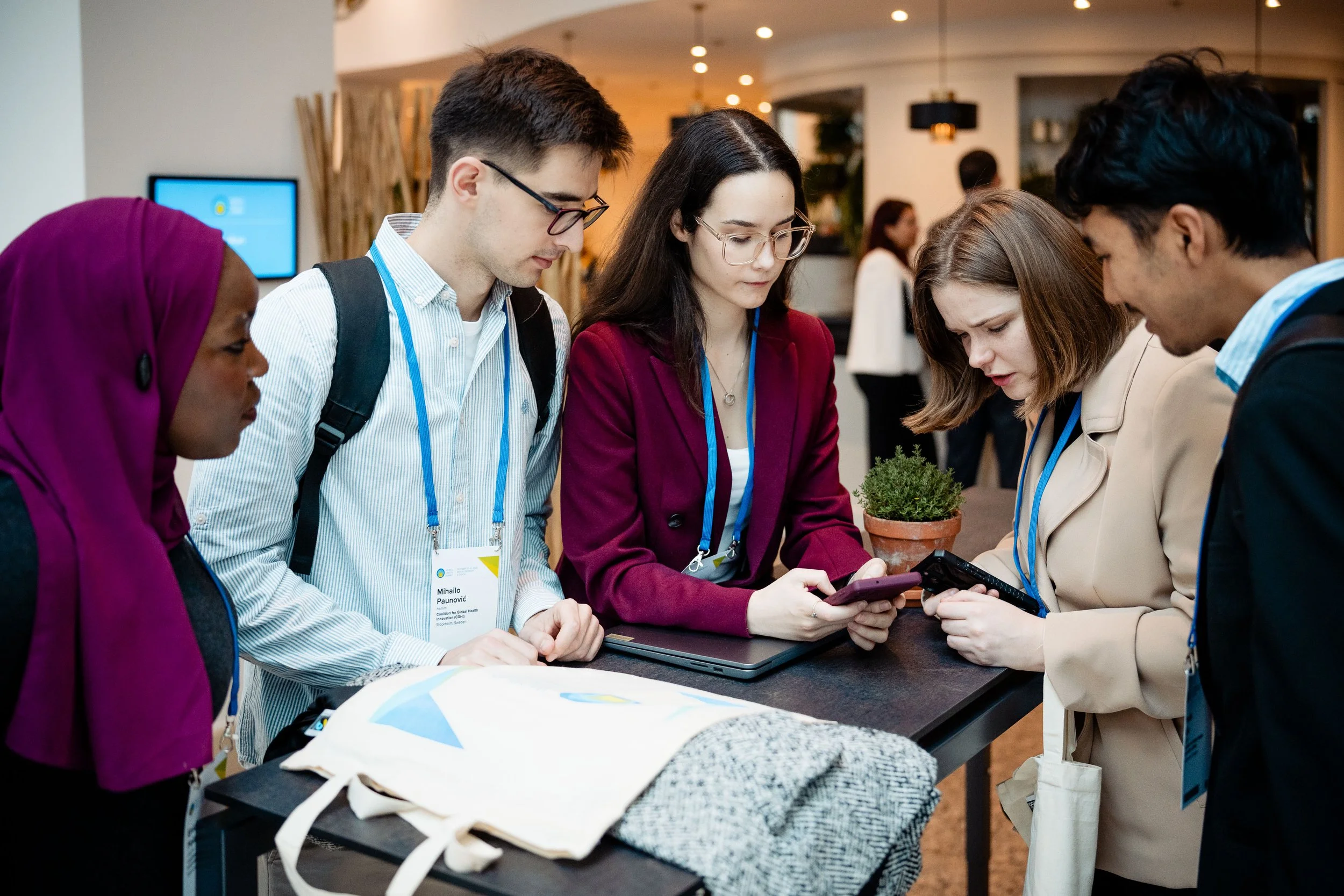
Intergenerational leadership is not youth replacing experience
A serious discussion about youth leadership cannot become an argument against senior professionals. Global health depends on institutional memory, technical expertise, political experience, professional networks and knowledge accumulated over decades. Younger professionals do not automatically possess these forms of capital simply because they bring new perspectives.
At the same time, experience should not become a justification for excluding new voices. Older and younger professionals can experience different forms of ageism.
“Ageism is a widespread challenge — and it is important to create environments in which people of different ages can participate meaningfully.”
— World Health Organization
The goal, therefore, should not be to decide which generation has the better ideas. It should be to create structures in which different generations can challenge, learn from and strengthen one another. This is why the conversation should move from youth leadership towards intergenerational leadership.
Two framings:
Youth leadership asks: how do we give young people more opportunities to lead?
Intergenerational leadership asks: how do we design decision-making so that experience and new thinking can exercise influence together?
And, broader still: how do we ensure this collaboration includes perspectives from different regions, communities, disciplines and knowledge systems?
What would shared power actually look like?
It is relatively easy to agree that young people, underrepresented communities and diverse perspectives should be included. It is much harder to determine what meaningful inclusion looks like institutionally.
Would young representatives have voting rights?
Would youth organisations have formal roles in setting agendas?
Would institutions allocate funding specifically for youth-led initiatives?
Would community representatives participate in designing policies rather than simply being consulted about them?
Would practitioners have the same influence as institutional experts when decisions affect frontline implementation?
Would global health institutions create mechanisms for knowledge generated outside traditional academic and policy centres to influence international priorities?
These are not theoretical questions. They determine whether inclusion becomes another language of participation or a genuine change in how global health institutions operate.
Different generations bring different forms of knowledge to the same problem: a senior policymaker who understands how a system has evolved and why previous reforms succeeded or failed; a younger professional who identifies emerging risks, technologies or community experiences established institutions have not yet incorporated; a community practitioner who understands implementation barriers invisible from an institutional level; a researcher whose evidence challenges prevailing assumptions; a person with lived experience who names consequences technical analysis alone cannot capture.
None of these forms of knowledge is sufficient on its own. The challenge is to build institutions capable of using them together.
From dialogue to structural change
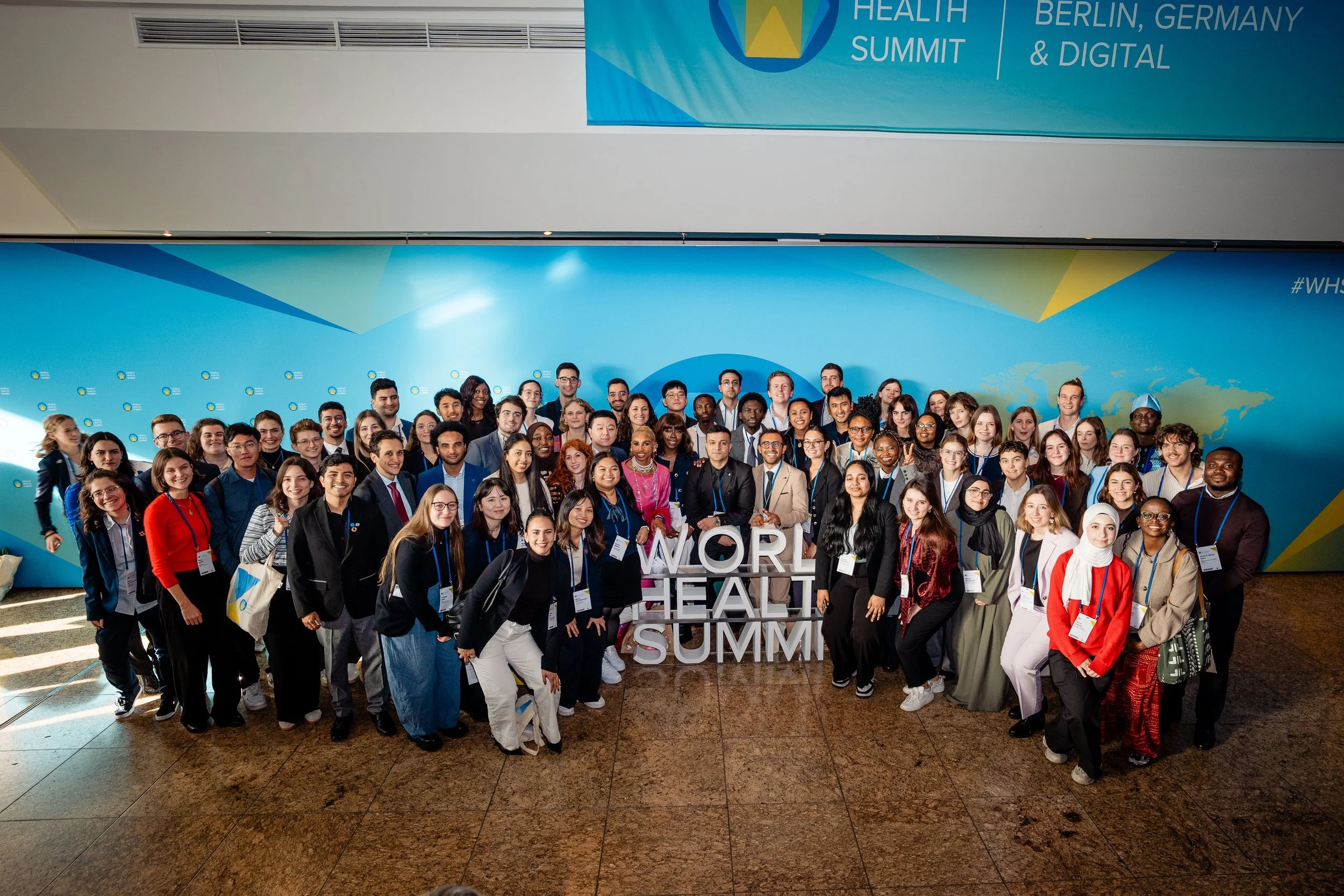
This is the question the Coalition for Global Health Innovation (CGHI) wants to explore at the World Health Summit 2026. CGHI is a youth-led global health coalition of over 100 young professionals across more than 50 countries and 6 continents, bringing together emerging leaders from diverse professional, academic, geographic and cultural backgrounds — working across global health, international development, policy, research, advocacy and innovation.
We do not see young people as a homogeneous category, nor do we believe that youth automatically means inexperience. Our members bring different qualifications, professional experiences, regional perspectives and areas of expertise. What connects them is a commitment to contributing meaningfully to global health and to creating spaces where different perspectives can shape collective solutions.
The session will bring together young professionals and senior leaders for structured intergenerational dialogue. Rather than treating young people as an audience and senior professionals as experts, the discussion will ask both groups to examine the same question: what would it take to share power more meaningfully across generations?
But the conversation will not stop at age. Participants will also consider how geography, community, professional background and different forms of knowledge shape whose voices are heard and whose ideas influence decisions.
We will explore three connected areas: the global health architecture, future-ready health systems, and health equity for women, children and youth. The objective is not to produce another general statement that “youth voices matter” — we want to ask what should actually change.
What institutional barriers prevent young professionals from influencing decisions?
What can senior leaders do differently?
What capabilities do future-ready health systems need that we are not currently building?
How can global health institutions better incorporate knowledge from communities and regions historically underrepresented?
What mechanisms could turn intergenerational dialogue into sustained collaboration and shared decision-making?
The session will use small-group roundtables to move beyond the traditional conference format of listening to experts and leaving with a collection of speeches. Participants will work together to identify concrete priorities and actionable pathways for embedding intergenerational partnership and more inclusive decision-making within global health governance. The resulting recommendations will be consolidated into an open-access outcome document following the Summit, continuing the conversation beyond Berlin.
Diversity of representation is valuable. Diversity of knowledge is essential. Shared power is transformative.
The future of global health should not be designed exclusively by those who currently hold institutional authority. But neither should it be designed by one generation, one region, one profession or one knowledge system alone. The question is whether we can build systems in which different generations, regions, communities and forms of expertise do not simply take turns being heard, but have meaningful opportunities to shape decisions together.
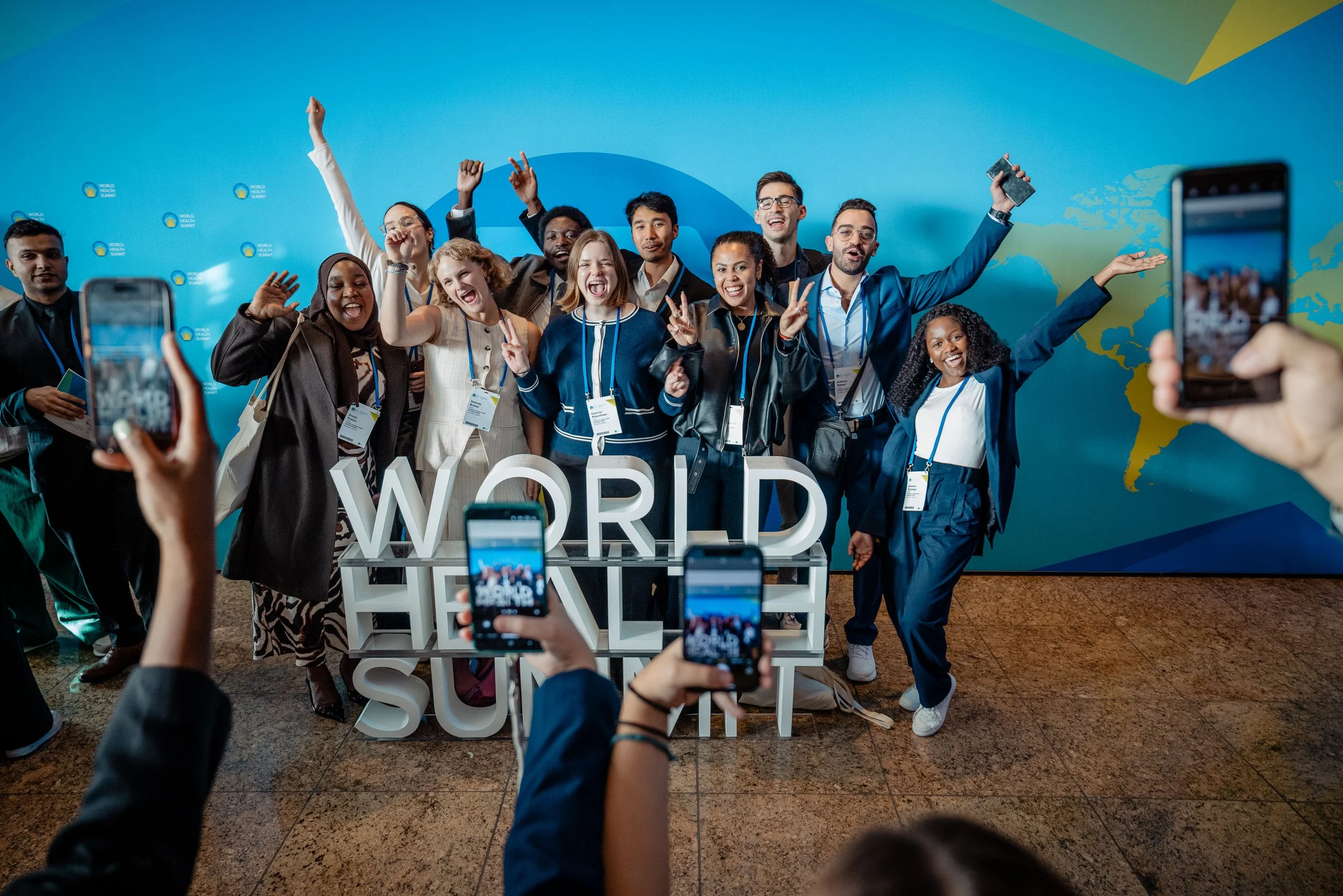
Before we meet in Berlin
When was the last time someone outside the traditional decision-making circle genuinely changed a decision in your organisation?
What is one decision in global health where young and senior professionals should have equal influence?
Whose knowledge or experience is still underrepresented in global health decision-making?
What would meaningful power-sharing look like in practice?
If you could change one thing about how global health decisions are made today, what would it be?
Bring your answer to the conversation. The future of global health is not simply about who will lead next.
It is about whose knowledge counts, who has the power to shape decisions, and how we lead together now.
Join the conversation at WHS 2026
Shared Power, Shared Future: Intergenerational Leadership in Global Health
Date: 13 October 2026
Time: 09:00–10:30
Venue: Side Meeting IV, World Health Summit 2026, Berlin
Host: Coalition for Global Health Innovation (CGHI)
Coalition for Global Health Innovation (CGHI) is a youth-led global health organization connecting 100+ young professionals across 50+ countries and 6 continents to advance collaboration, innovation and meaningful youth leadership in global health.
This blog was written by Charli Sitong Zhang and Jelena Branković.
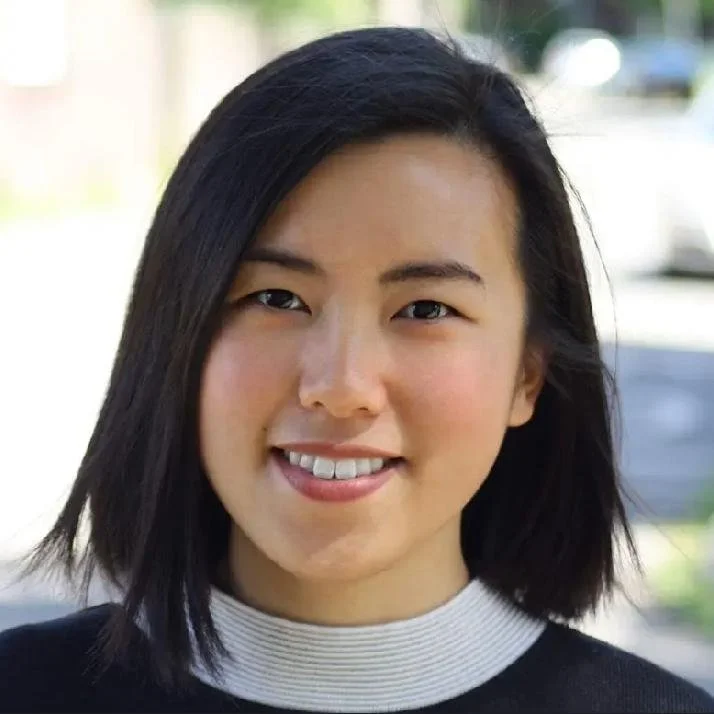
Charli is the President and Co-Founder of CGHI, where she provides strategic leadership across the organization’s global programs, partnerships, and advocacy work. She leads a multinational team across 6 continents advancing health equity through youth-driven innovation, policy engagement, and community-centered solutions. She holds an MPhil in Development Studies from the University of Cape Town and a BA from Maastricht University. She is currently pursuing a PhD in Political Studies and International Relations at the University of Johannesburg.
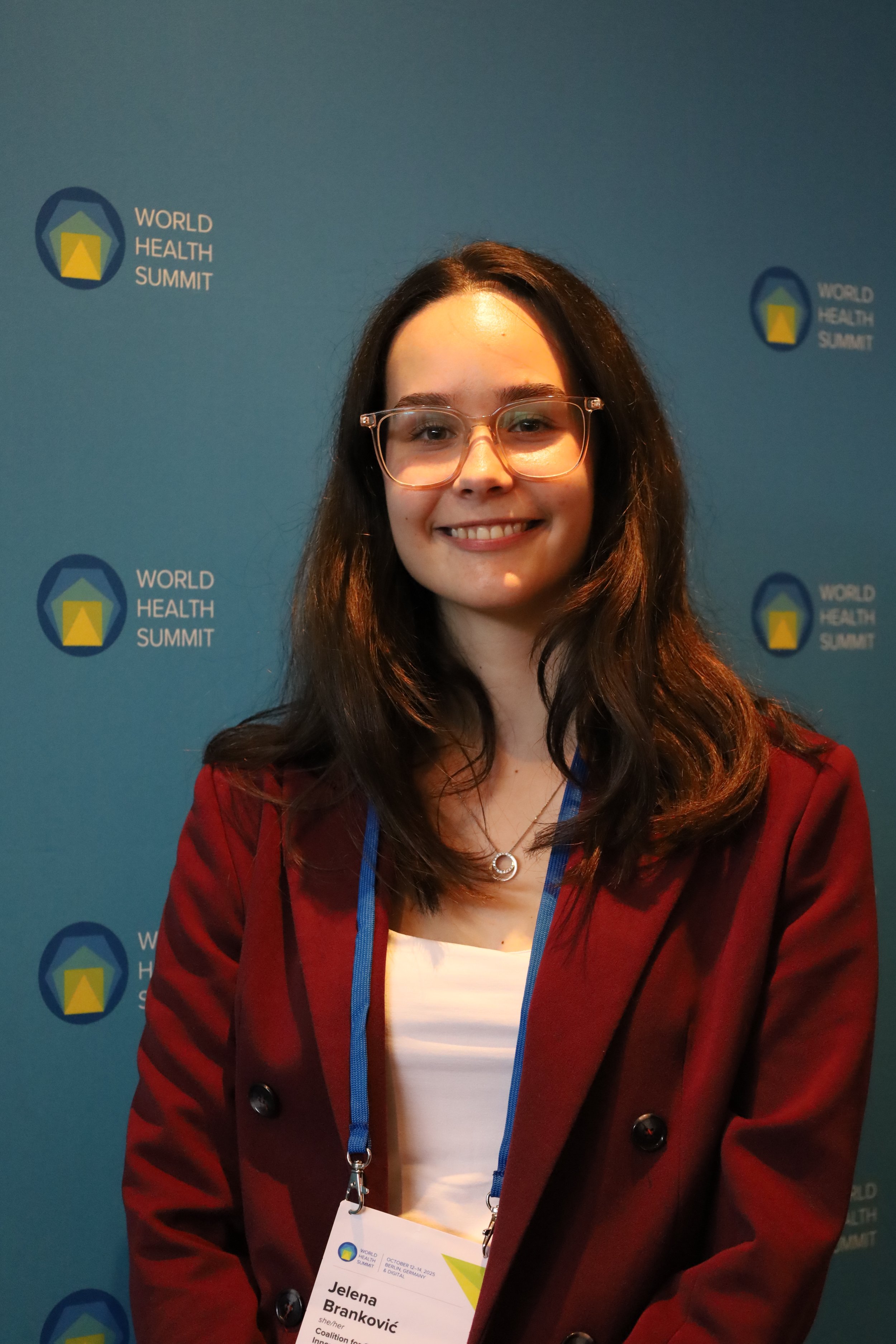
Jelena is the Vice President of CGHI, where she oversees organisational development, shapes community engagement efforts, and supports the growth of CGHI’s global network of young professionals. She works closely with teams across 40+ countries and 6 continents to strengthen CGHI’s programs, communication initiatives, and commitment to health equity. She holds an MPharm degree from University of Belgrade – Faculty of Pharmacy and is currently pursuing a PhD focused on vaccination health literacy and health communication.