Redefining Diabetes Care in South Africa: AI, Cultural Intelligence, and Community-Centered Solutions
Introduction
Diabetes affects roughly 1 in 9 adults in South Africa and has become the leading cause of death among women and the second amongst men. Yet, despite this growing crisis, many people lack the knowledge, support, and resources needed to manage their condition effectively.
The Challenge of Daily Diabetes Management
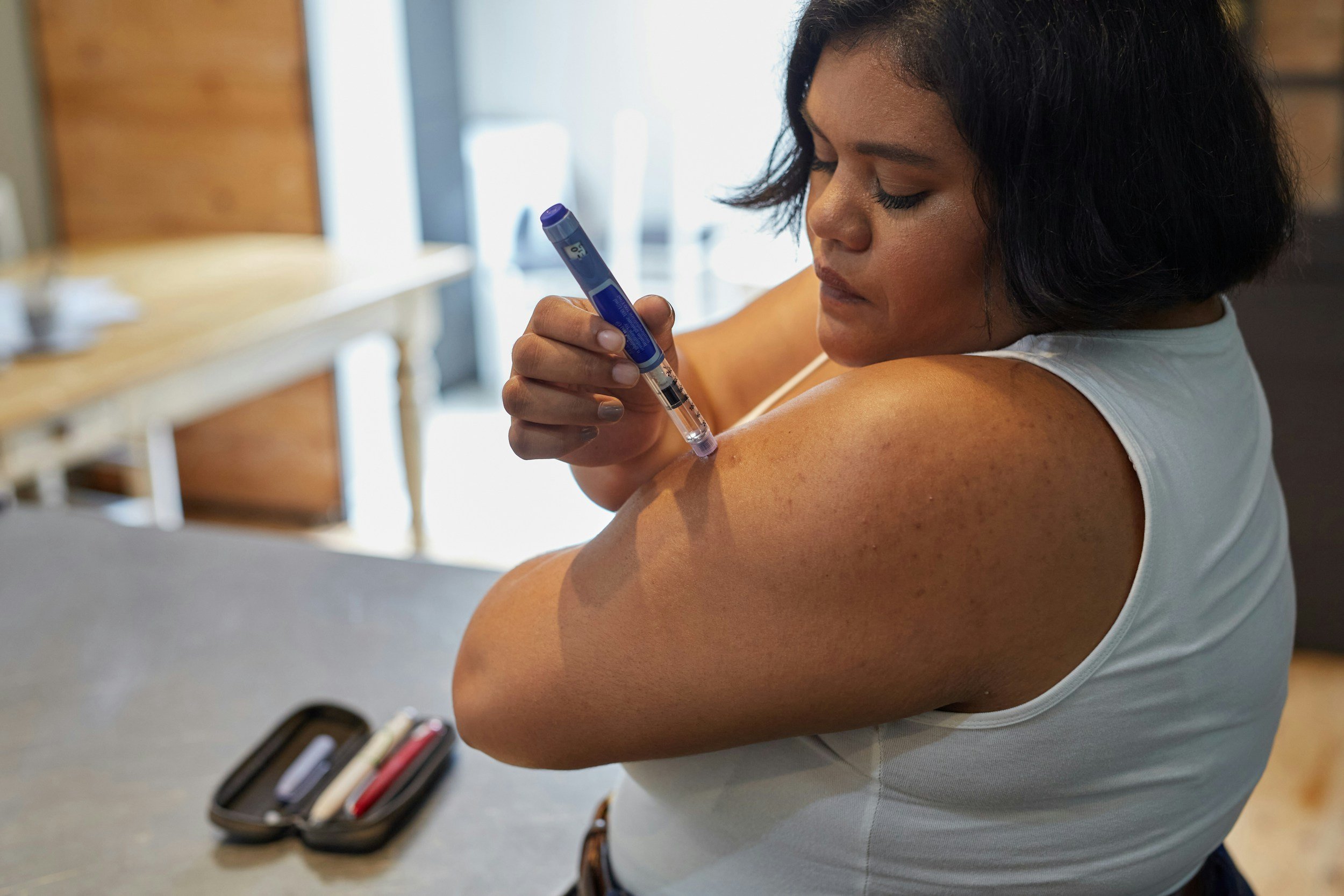
Managing diabetes is not just a medical task. It is a daily battle against unpredictable blood sugar levels, social inequality, and limited access to nutritious food and healthcare. The South African healthcare system, already strained by infectious diseases like HIV and tuberculosis, struggles to support people living with non-communicable diseases like diabetes.
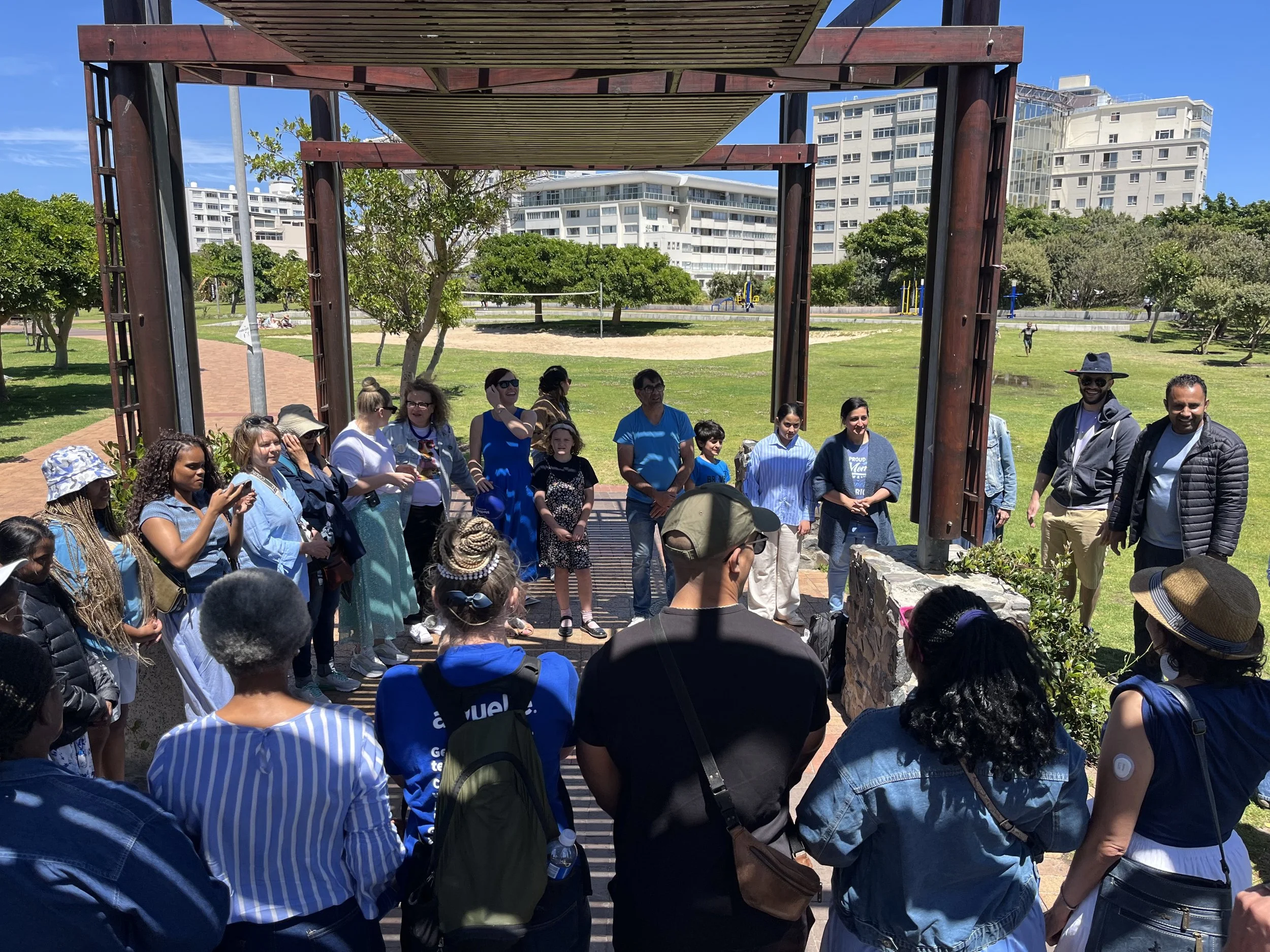
To commemorate World Diabetes Day, the CGHI team had the incredible opportunity to join a community event organized by Sweet Life on the 15th November 2025. Taking place in Cape Town, South Africa, this picnic celebrated members experiencing diabetes and their supporting loved ones, while also raising awareness, and connection within the South African diabetes community.
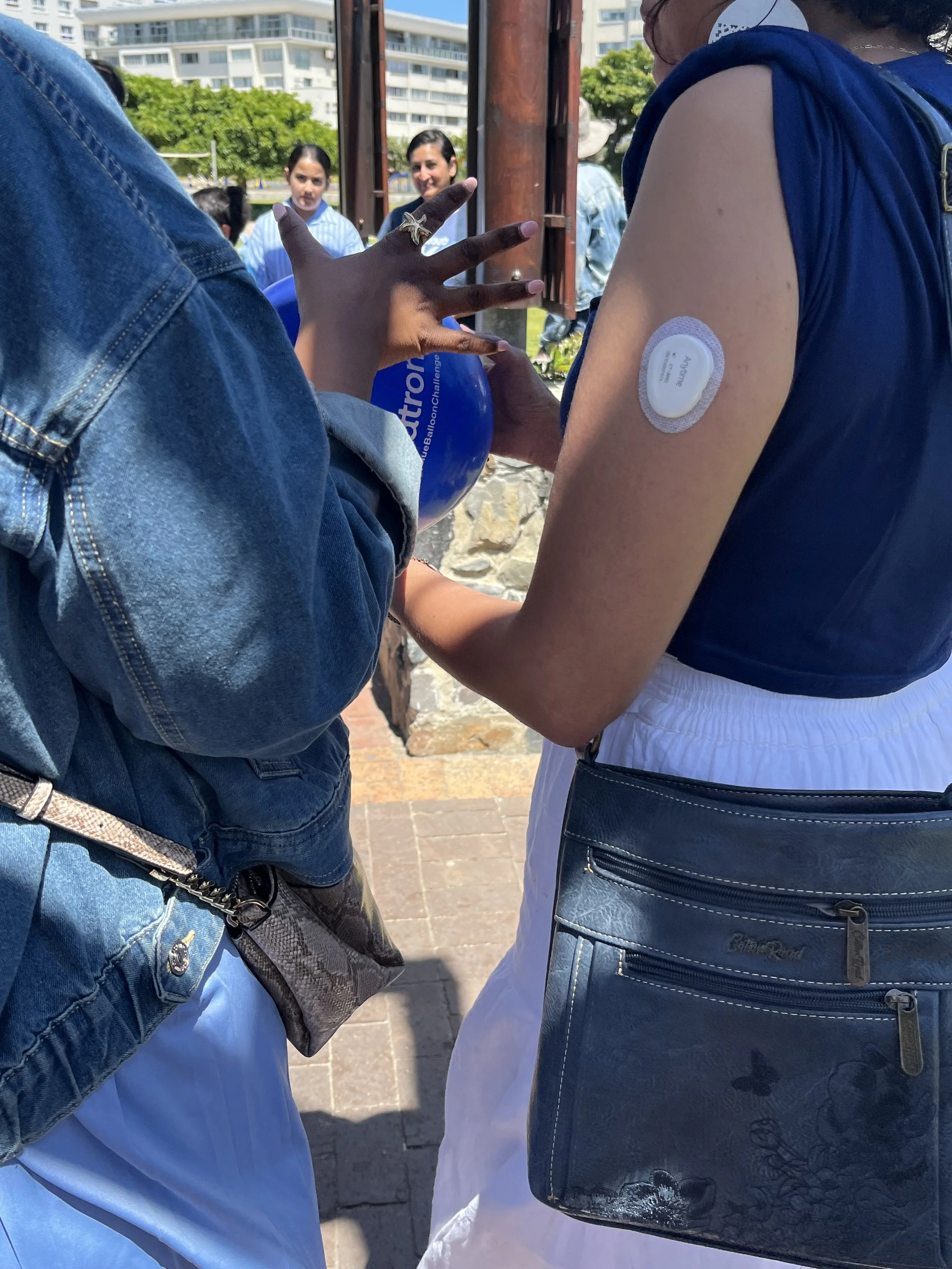
With Signal Hill in the background, the “Sweet Life South African Diabetes” community, their loved ones and guests created a tightly knitted circle in Green Point Park. Blue clothing whipped side to side as Cape Town’s famous winds swept through the area. Yet, the circle held tight, captivated by the blue balloon that Bridget McNulty, CEO and Co-Founder of Sweet Life Community, held up in the air. This balloon, she explained, represents a person living with diabetes. The aim of the activity: to successfully pass the balloon around the circle without the wind catching it.
Unsure how something so simple could qualify as an activity, members started with a mix of curiosity and scepticism. Soon enough, the wind proved itself to be a worthy adversity, plucking the balloon out of participants hands and into the sky, leaving members momentarily staring blankly in surprise.
With every escape, members of the group had to run after it, often needing more than one person to pin it down and bring it back. At every return, the group stood even closer to one another, shoulders rubbing, hands grazing one another to keep the balloon inside the circle. Yet even then, we battled with the wind.
The aim of the activity, Bridget later explained, was to recognise the collective support system needed to help maintain healthy blood sugar levels. The wind was an unexpected but realistic participant that revealed the difficulty of managing this task. Consequently, each person in the circle played an essential role in keeping the balloon safely in motion, demonstrating how care, awareness, and teamwork are needed to support someone living with diabetes.
Members who lived with diabetes nodded knowingly, joined by their loved ones, while newer or visiting participants looked up in surprise. Something that had seemed simple in planning turned out to be unexpectedly difficult in practice. Imagining the unpredictable balloon as someone’s blood-sugar level left the group humbled by the daily vigilance, maintenance, and care that people with diabetes - and those who support them - navigate simply to stay alive.
— Our experience from the picnicThe Sweet Life picnic offered more than a moment of reflection—it made visible what statistics often obscure. Diabetes is not managed in isolation, and neither should the solutions be. As the balloon shifted unpredictably in the wind, it became clear that sustaining health requires collective effort: informed communities, accessible care, supportive environments, and systems that respond to people where they are.
World Diabetes Day is not only a reminder of the scale of the challenge, but of the power of community-driven action. When people are seen, supported, and equipped with the right tools and knowledge, the burden of diabetes becomes lighter to carry and the possibility for equitable, culturally responsive care moves closer to reality.
Hear their stories:
CGHI Drives for Awareness and Solutions during World Diabetes Month
When patients lack support and information, complications rise, health systems are further burdened, and inequality deepens. But these challenges are not insurmountable. Community-driven initiatives, integrated care, and digital health tools can empower individuals and reduce disparities.
This idea of shared support—and the need for solutions that truly meet people where they are—was also central to CGHI’s recent hybrid event on AI for Inclusive Healthcare: Designing Culturally Intelligent Systems for Diabetes Care, featuring Gabriela Carolus. A research project manager at the Co-Create Health Research Hub within the Division of Health Systems and Public Health, Faculty of Medicine and Health Sciences, Stellenbosch University, she presented “StoryRx”, an AI-driven health tool that brings forward narrative and cultural intelligence to the African health systems by intersecting responsible AI ethics and community-based design.
The discussion brought together experts in healthcare, AI, and community engagement to explore how technology can better serve people living with diabetes, especially in diverse and underserved contexts. Online and in-person attendees highlighted the following core lived challenges:
Clinical Language, Lived Bodies: Many patients with diabetes struggle with poor understanding of their condition. Many cultural nuances, language barriers, and low health literacy often limit the impact of traditional diabetes education. This is exacerbated by ineffective communication with their providers.
Barriers to Wellness: For many in South Africa, buying healthy food or accessing consistent medical care is a luxury, rendering diabetes not only a biological condition but an ongoing negotiation with structural inequality.
Overlooked Narratives: Experiences of people with Type 2 diabetes are often overlooked within the diabetes community, which tends to focus more heavily on Type 1 diabetes.
Designing With, Not For: Achieving recognition in the AI landscape requires careful engagement with South Africa’s rich cultural, linguistic, and socio-economic diversity.
To address this, the group discussed developing culturally intelligent AI tools capable of creating accessible, personalized, and medically validated digital health stories - even for individuals with limited internet access. Currently, AI tools are biased according to majority images, ideas and epistemologies, further marginalising historically marginalised communities.
Our conversation emphasized the need for Participatory action research (PAR), a research methodology where community members are active partners in a research or action project, rather than passive subjects. It ensures that patients, communities, and healthcare workers shape the development of any digital solution. Discussions explored the importance of refining user personas, integrating patient voices as co-authors, and prioritizing ethical responsibilities such as data privacy, transparency, and sustainable implementation.
The session underscored a shared belief: technology can only improve diabetes care if it respects cultural context, supports real-world patient needs, and strengthens—not replaces—the human relationships at the center of health.
-
![]()
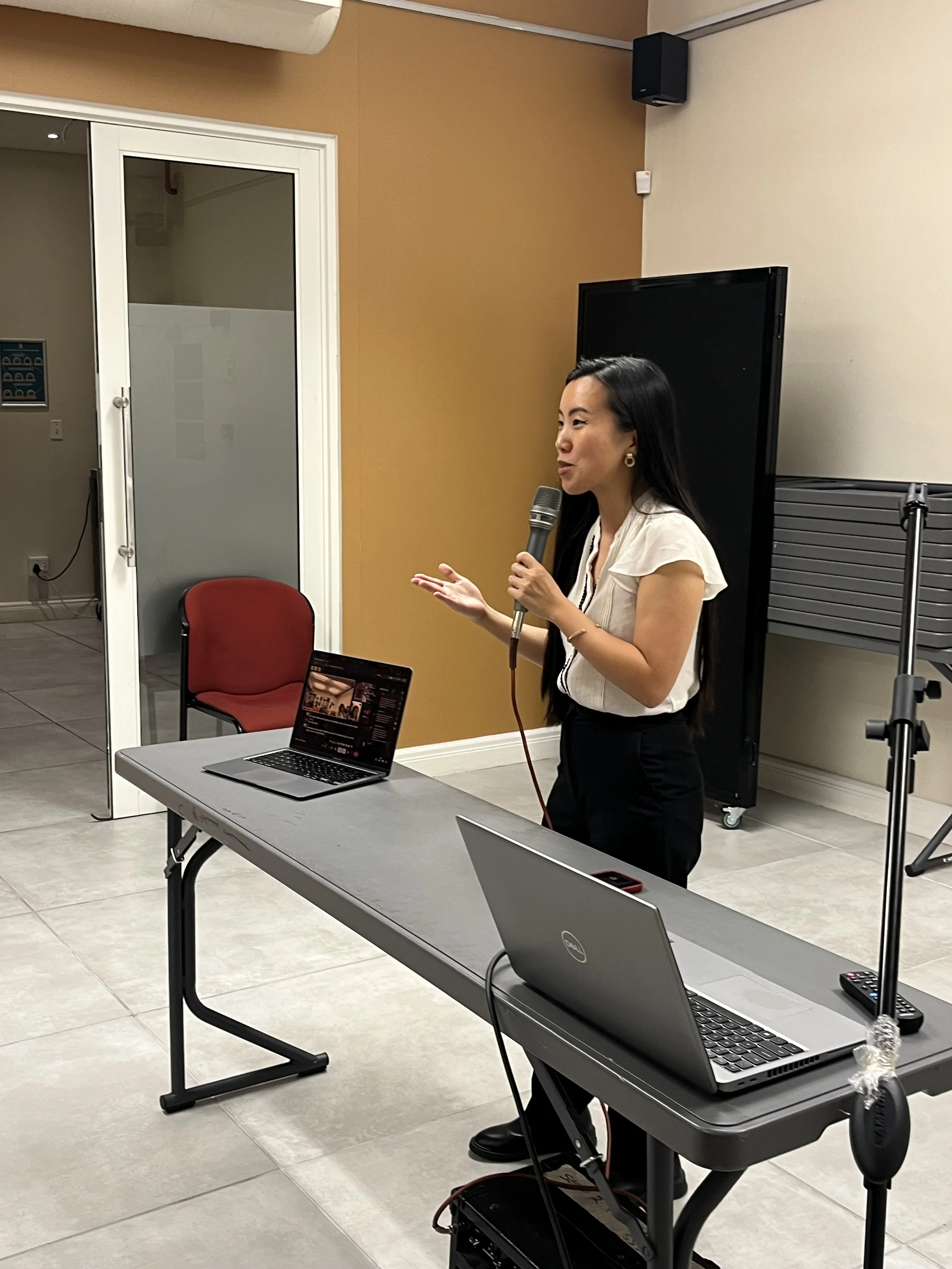
CGHI President, Charli Sitong Zhang opening the hybrid event
-
![]()
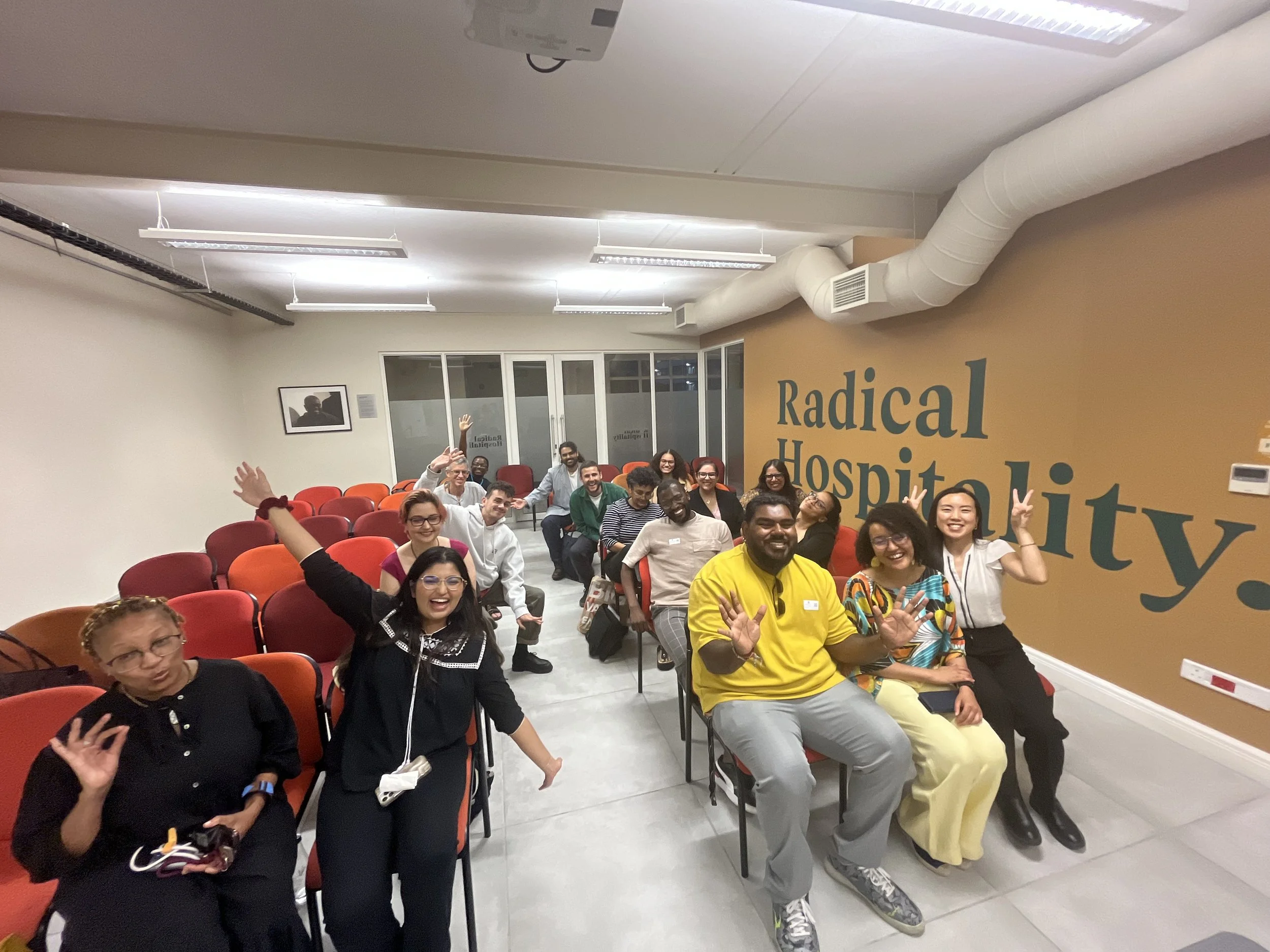
The group participating in the hybrid event in Cape Town, South Africa
-
![]()
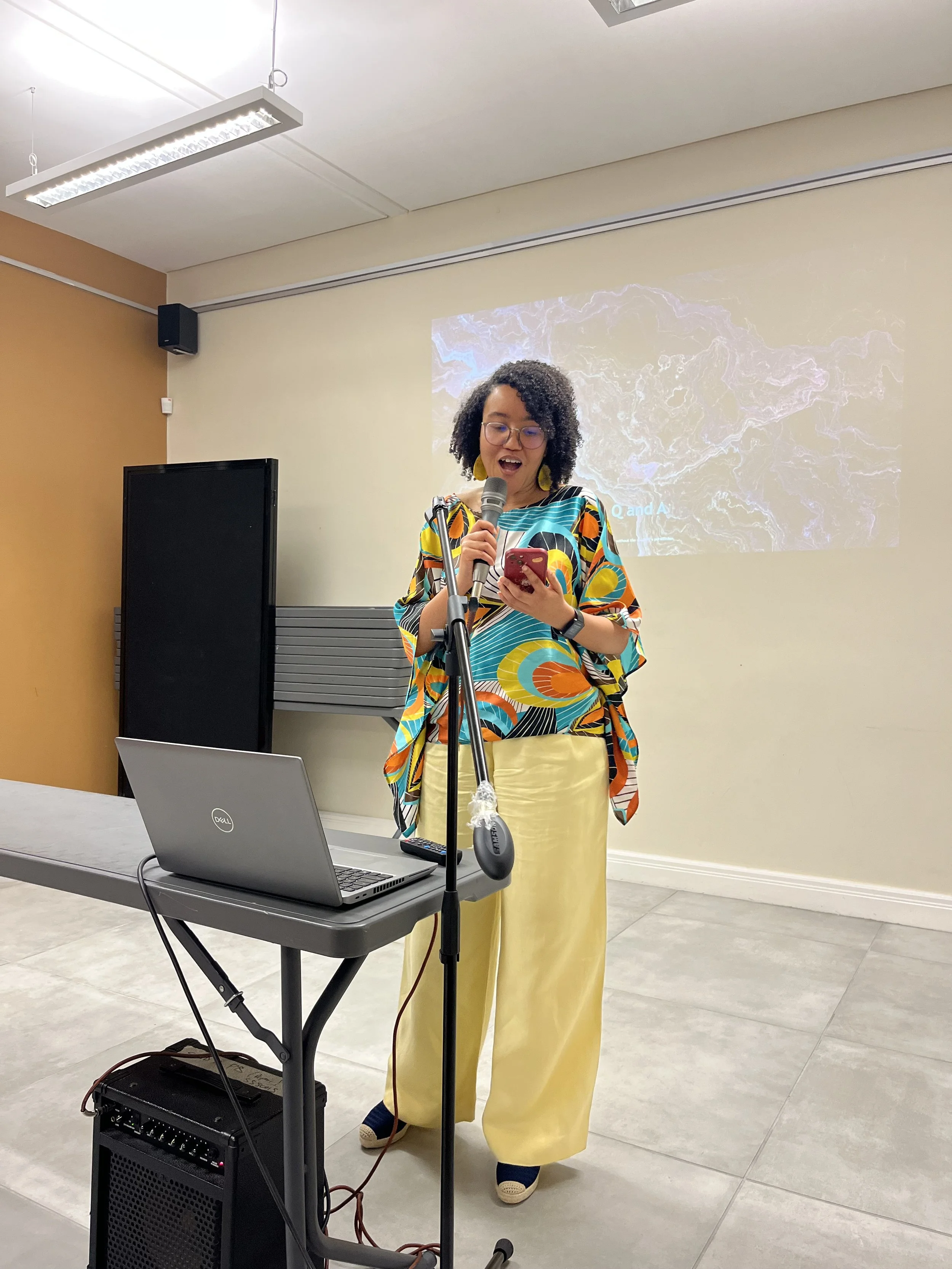
Gabriela Carolus presenting “StoryRx”, an AI-driven health tool that brings forward narrative and cultural intelligence to the African health systems by intersecting responsible AI ethics and community-based design
-
![]()
The online side of the hybrid event

The in-person part of the event
Closing statement
Countries cannot tackle their diabetes crisis without empowering the communities at their heart. Ultimately, World Diabetes Month serves as a reminder that meaningful progress in diabetes care requires more than innovation alone; it demands collaboration, accountability, and care grounded in lived experience. As CGHI continues to convene conversations at the intersection of health, technology, and community, the focus remains clear: to support solutions that are inclusive by design, ethical in practice, and shaped alongside the people whose lives they aim to improve.
Call to Action
Communities, advocates, and organisations must keep creating spaces where people living with diabetes co-design the tools, narratives, and services intended for their care.
We must strengthen partnerships between grassroots groups and innovation hubs to close the diabetes care gap and to ensure diabetes solutions are culturally grounded, ethically designed, and locally accessible.
Support groups, NGOs, and health educators should share culturally relevant resources that demystify diabetes management.
This blog was written by Katarina Ritzenthaler and Jelena Branković.
Katarina Ritzenthaler is a Social Anthropology graduate from the University of Cape Town. Her research explored women’s childbirth experiences, highlighting how the act of breathing can help women reclaim a sense of agency during delivery. Passionate about maternal health, she examines how fragmented healthcare systems can overlook women’s needs, and how community-led approaches can improve equity in medicalised spaces.
Jelena Branković is the Vice President of CGHI, where she oversees organisational development, shapes community engagement efforts, and supports the growth of CGHI’s global network of young professionals. She works closely with teams across 40+ countries and 6 continents to strengthen CGHI’s programs, communication initiatives, and commitment to health equity. She holds an MPharm degree from University of Belgrade – Faculty of Pharmacy and is currently pursuing a PhD focused on vaccination health literacy.