
How Global Exposure Led Me from International Business to Lifestyle Medicine
My path into global health did not begin in a laboratory or a clinic. It began in international business lectures, language exchanges, and European cities where I watched culture shape wellbeing in real time. Those experiences revealed something essential to me: if we want healthier futures, we must understand the systems, behaviours, and global forces that influence them.
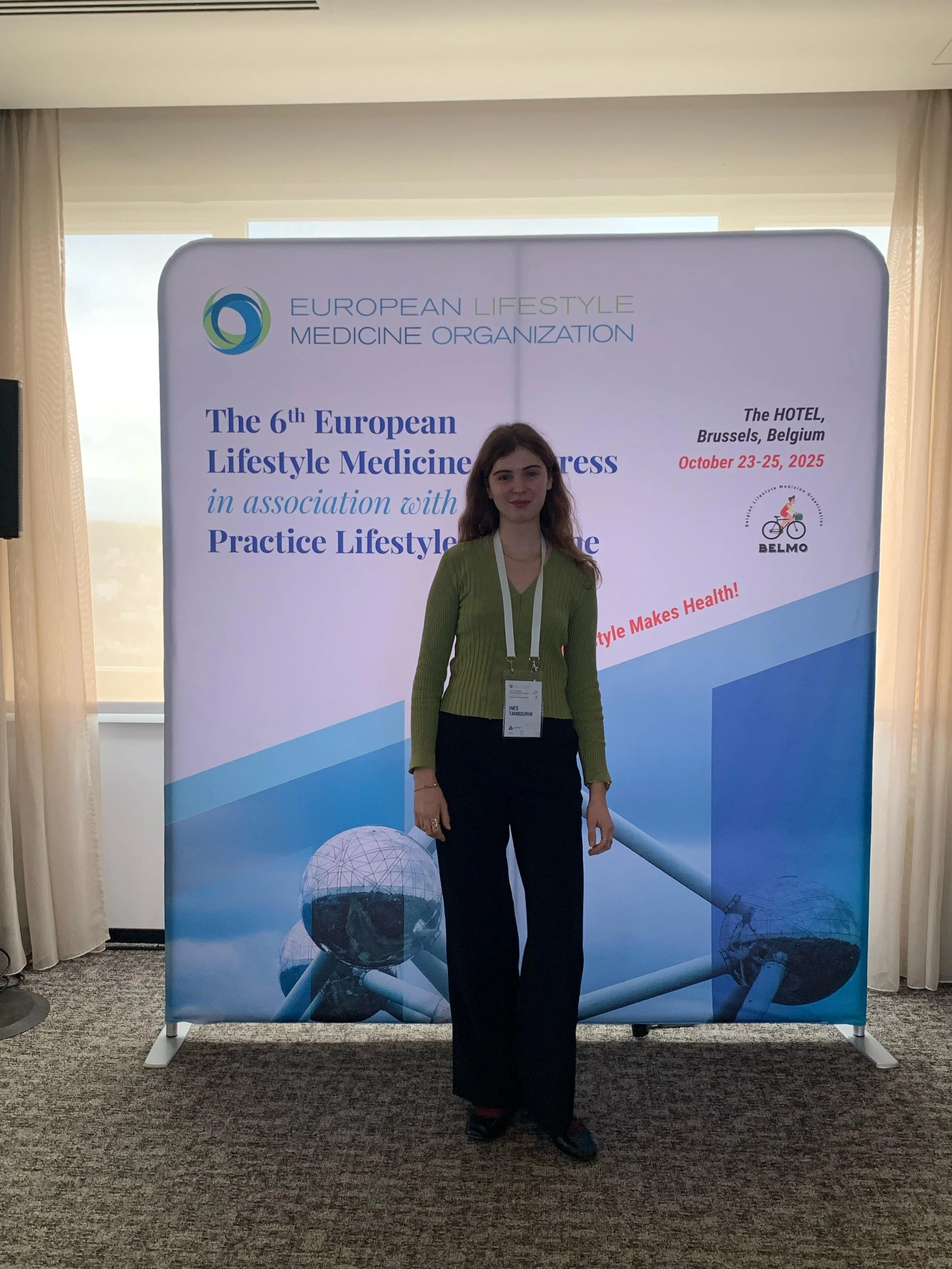
Choosing to study International Business and Languages was, for me, a way to gain a global perspective on economics, human behaviour, and international relations. I wanted to understand how countries connect, how trade shapes societies, and how culture influences everyday decision-making. This curiosity soon took me abroad for Erasmus exchanges and internships in Italy, Hungary, the Czech Republic, and Romania. Living in these different environments allowed me to see how cultural habits shape lifestyles and health behaviours in ways I had never fully appreciated. Experiencing these contrasts first-hand opened my eyes to the idea that health is never just biological; it is social, cultural, and deeply influenced by the world around us.
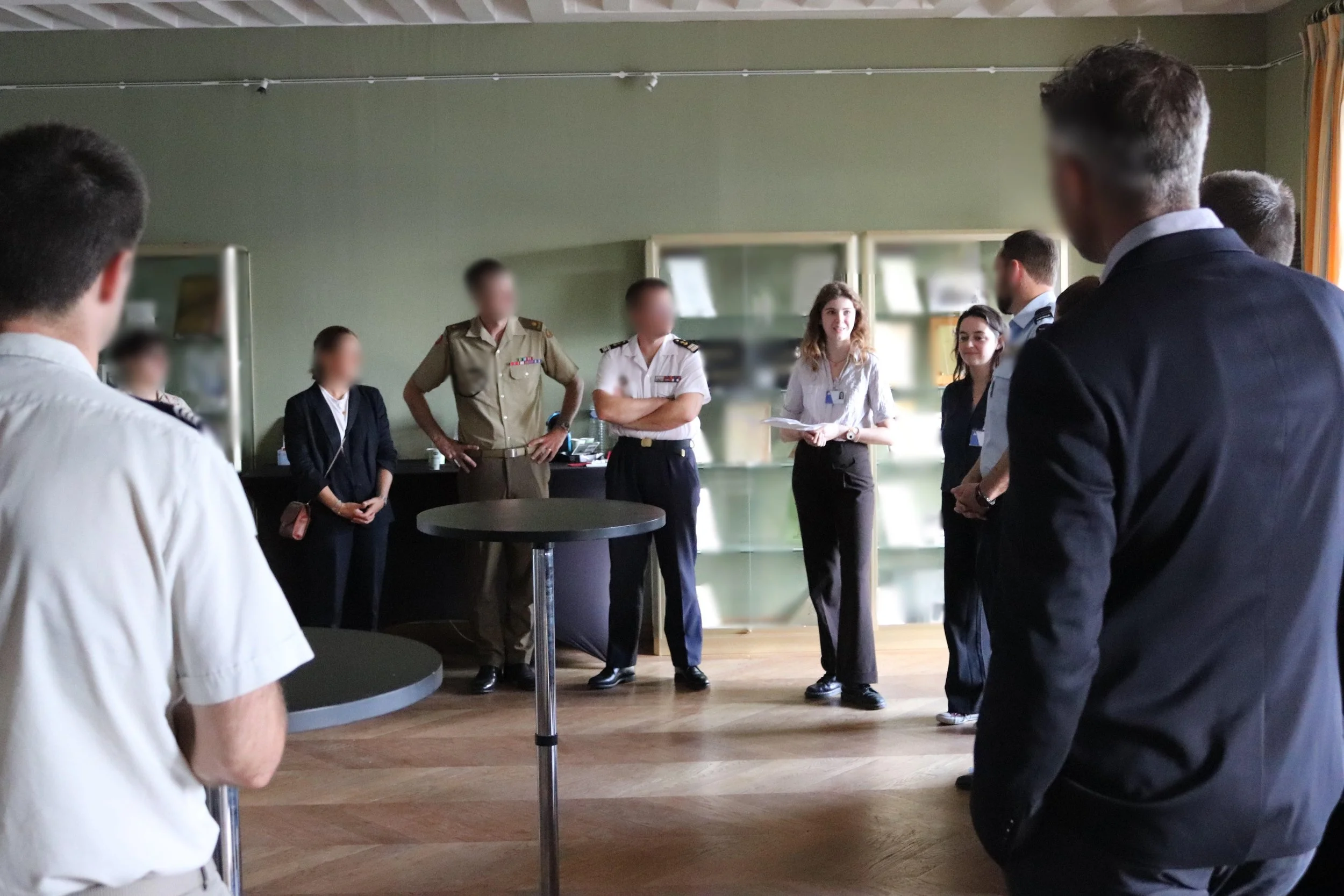
As my academic and professional journey continued, I had the opportunity to intern at the French Ministry of the Armed Forces, an experience that offered a unique window into public institutions and their role in shaping national and international priorities. Although I was immersed in a demanding and prestigious environment, I found myself increasingly drawn to women’s health. I began learning how, historically, medical research has often centred on male physiology, leaving significant gaps in our understanding of women’s specific health needs. This realisation encouraged me to explore the menstrual cycle, hormonal health, and the many ways in which women’s bodies have been understudied or misunderstood.
This exploration naturally led me to lifestyle medicine, a rapidly developing field that prioritises prevention, holistic wellbeing, and a science-based understanding of how daily habits shape long-term health. I became fascinated by the idea that nutrition, physical activity, sleep, stress management, and social connections are not merely personal choices but key determinants of population health. Understanding how small, intentional changes can drive meaningful impact from individual wellbeing to global outcomes resonated deeply with me.
My experience within the Ministry also heightened my awareness of the broader systems that influence health: diplomacy, national security, food systems, regulatory frameworks, and public policy. It helped me understand that I wanted to contribute to society in a way that supports people’s wellbeing more directly, especially in areas where global affairs and public health intersect. Issues like food security, equitable access to safe products, preventive health strategies, and the ethical governance of global health systems increasingly felt like the space where my international background could meaningfully meet my passion for health.
Looking back, my path from international business to global health may seem unconventional, but each step has been deeply meaningful. Studying languages taught me how to see the world through multiple lenses. Living across Europe taught me humility, adaptability, and cultural sensitivity. Discovering women’s health taught me the importance of filling research gaps and amplifying underrepresented voices. Working in public institutions taught me that health is also a matter of systems, structures, and political choices.
Each step in my journey has shown me that global health cannot be transformed by medicine alone. It requires culture, policy, diplomacy, and innovation working together. That is why I am committed to this field and why I am proud to be part of a community advancing a more equitable, prevention-driven future. My hope is that others see their own story reflected in this path and feel inspired to help build healthier worlds wherever they are.
This blog was written by Inès Tambourin.
Inès has a background in International Business and Languages, with a growing interest in global health and prevention-focused approaches to wellbeing. Through international academic and professional experiences across Europe, she has developed a strong appreciation for the links between culture, policy, and health systems.